How to Convert Meters to Feet (Formula & Table)
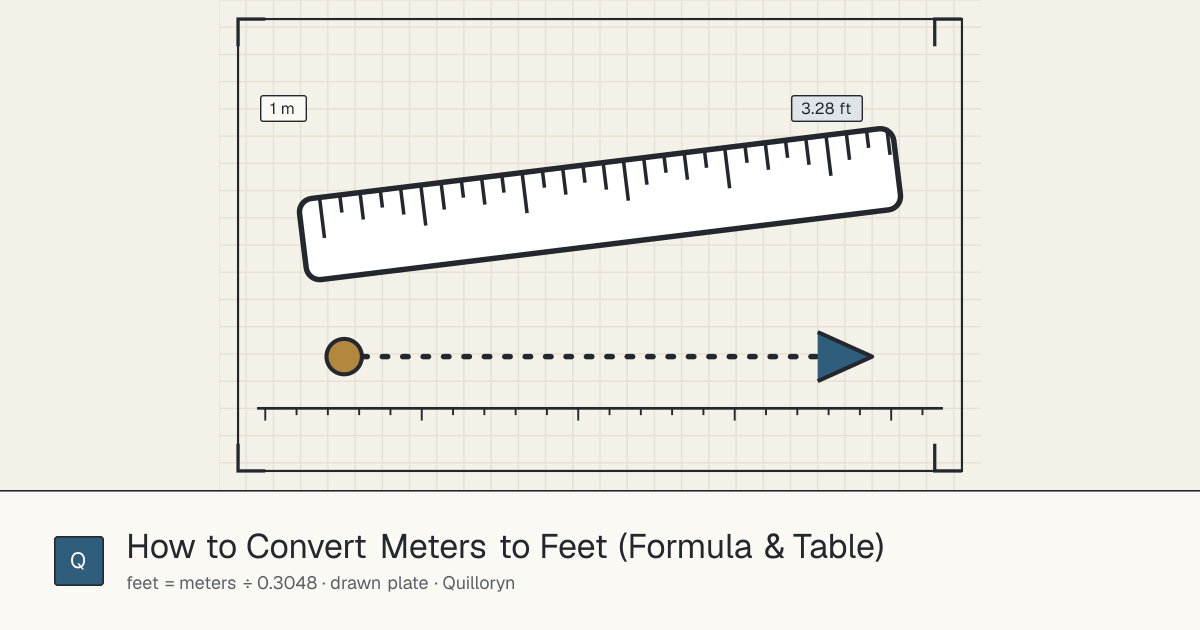
Convert meters to feet using the exact definition of a foot. Includes a worked 5-meter example, a reference table and a ready-to-use converter.
1 meter ≈ 3.280839895 feet
Read the guide14 focused guides on unit conversion, equations, matrices, compound interest, currency reference values and everyday arithmetic. Each explains its assumptions, shows a worked example and opens the matching tool with editable inputs.
Exact unit definitions, the direction of each conversion and the mistakes to avoid.

Convert meters to feet using the exact definition of a foot. Includes a worked 5-meter example, a reference table and a ready-to-use converter.
1 meter ≈ 3.280839895 feet
Read the guide
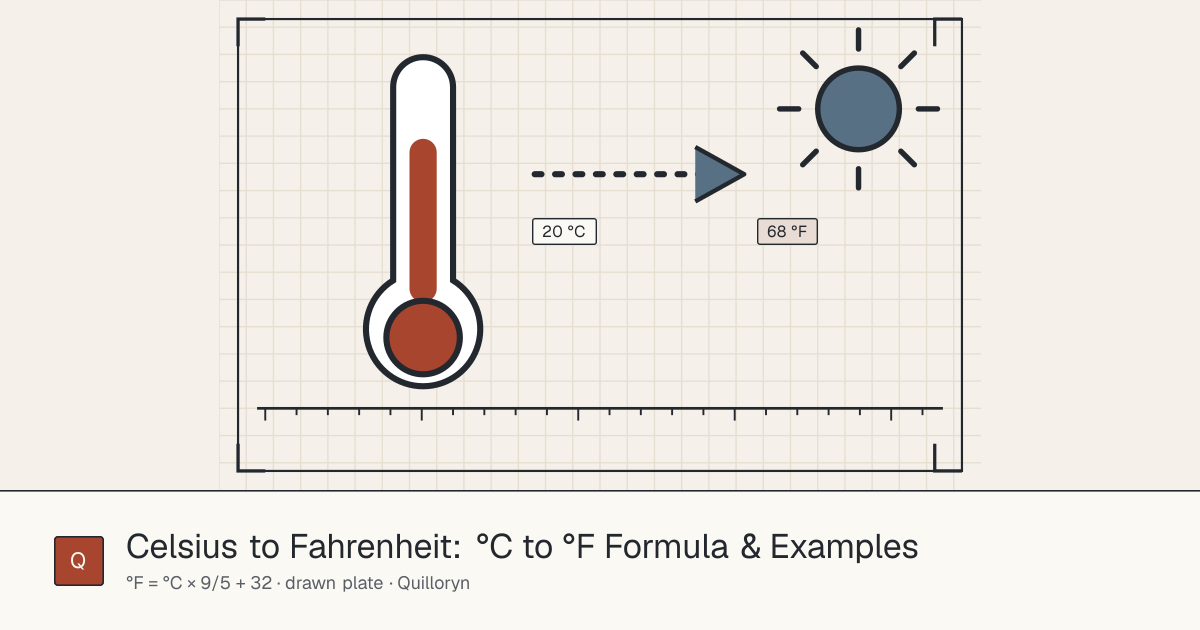
Convert Celsius to Fahrenheit with °F = °C × 9/5 + 32. See common temperatures, the inverse formula and the difference between temperatures and changes.
20 °C = 68 °F
Read the guide
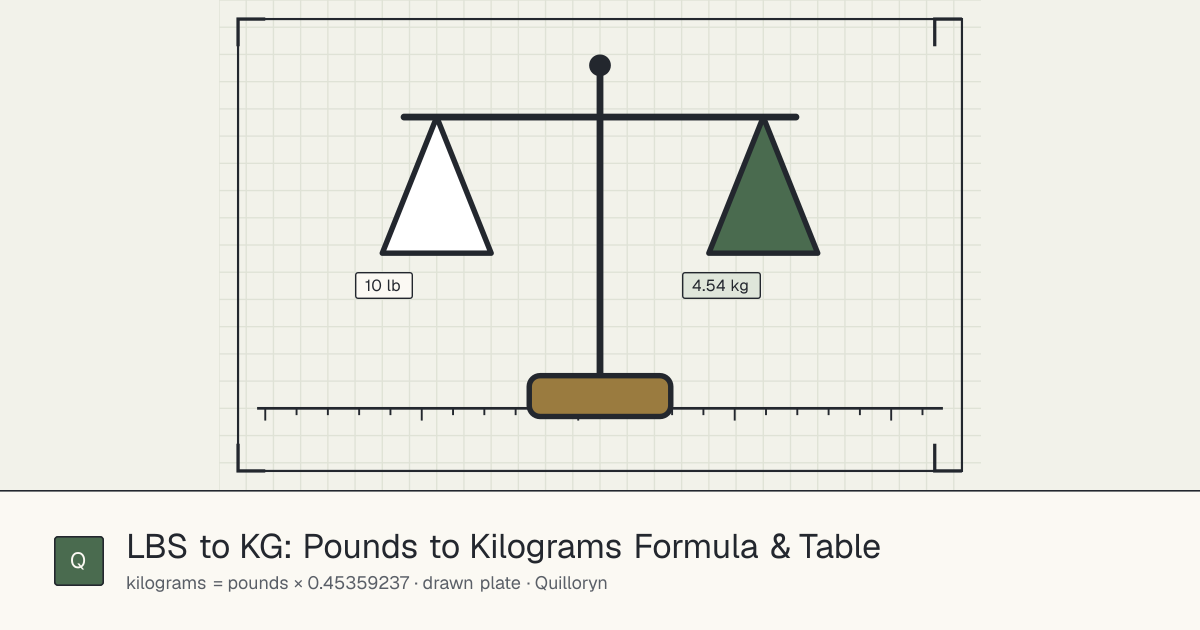
Convert pounds to kilograms with the exact factor 0.45359237. Follow a 10-pound example and use the prefilled mass converter.
10 lb = 4.5359237 kg
Read the guide
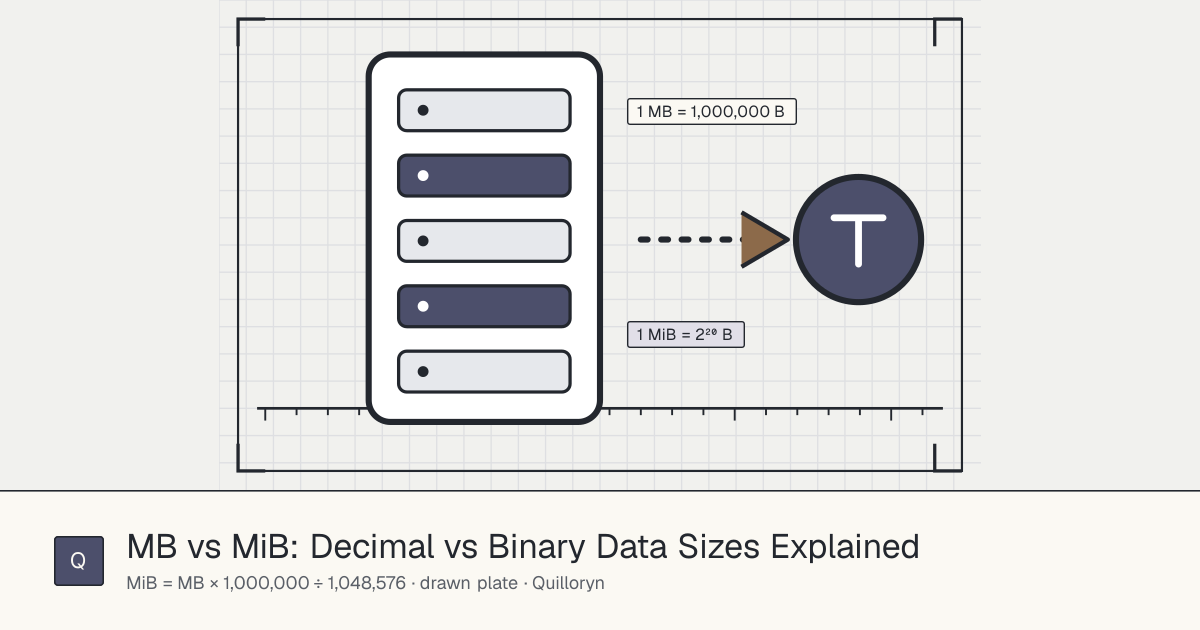
Understand why a megabyte differs from a mebibyte. Compare bytes, MB and MiB, then convert decimal and binary storage sizes.
1 MiB = 1.048576 MB
Read the guide
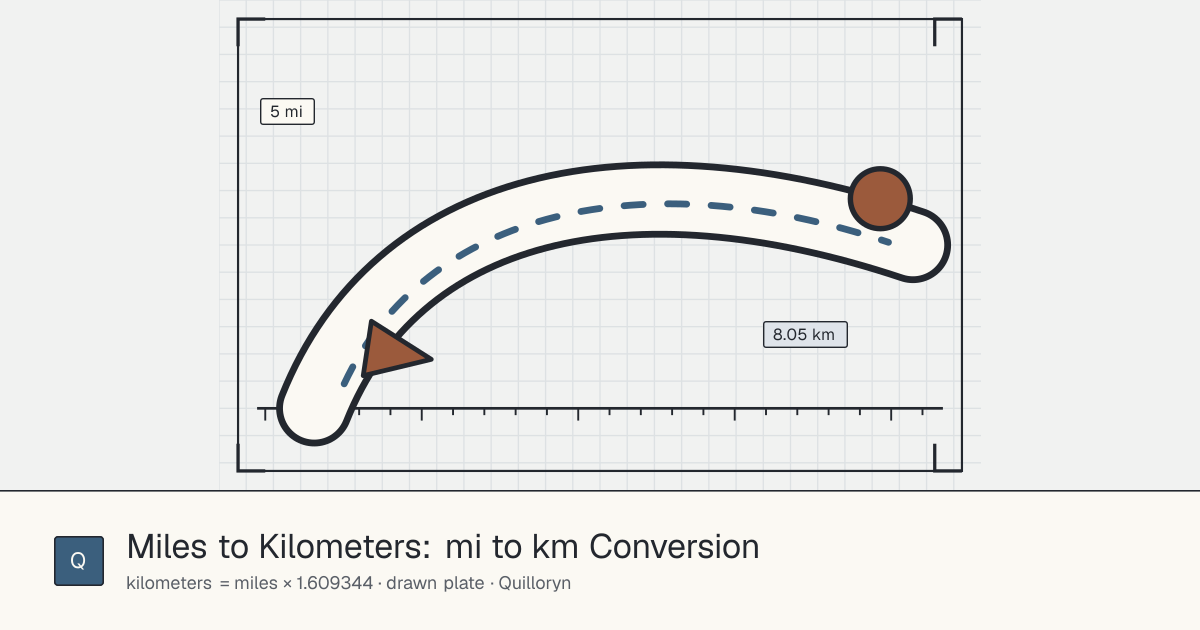
Convert miles to kilometers with the exact international-mile definition. Includes a worked 5-mile example, a reference table and an editable converter.
5 mi = 8.04672 km
Read the guide
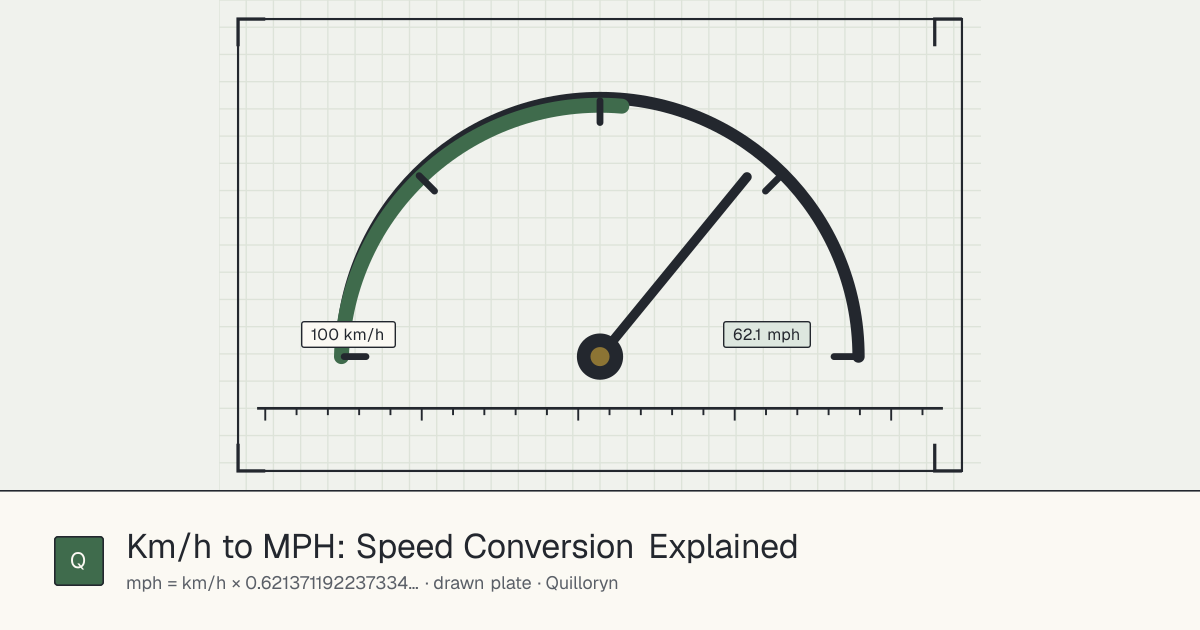
Convert km/h to mph by multiplying by the exact speed ratio. See a worked 100 km/h example and open the speed converter with inputs ready.
100 km/h ≈ 62.1371 mph
Read the guide
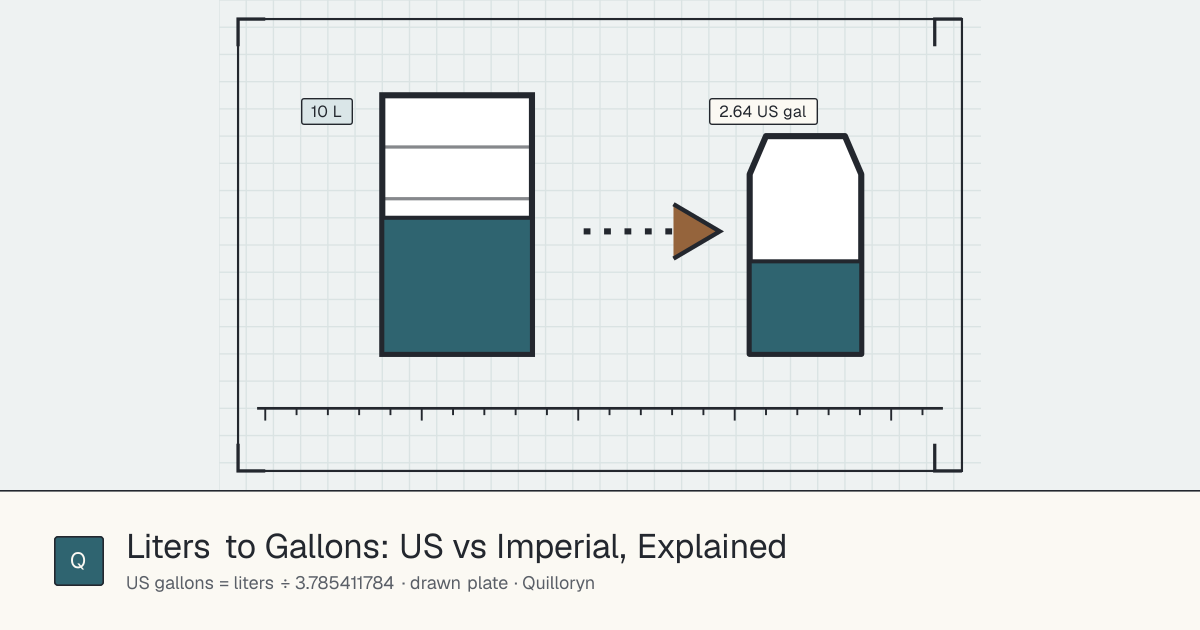
Convert liters to US liquid gallons using the exact US-gallon definition. See why US and Imperial gallons differ and try a prefilled volume converter.
10 L ≈ 2.64172 US gal
Read the guide
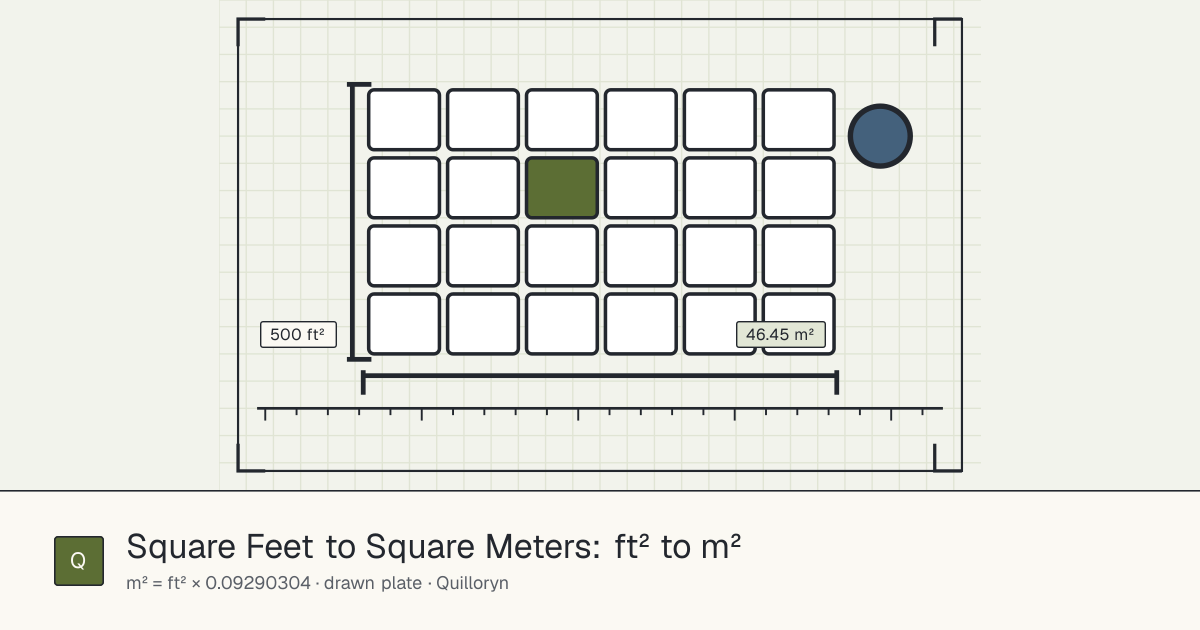
Convert area from square feet to square meters using the defined foot length squared. Includes a 500-square-foot example and a prefilled converter.
500 ft² = 46.45152 m²
Read the guideFormulas, their inputs and their limitations, with the arithmetic shown.

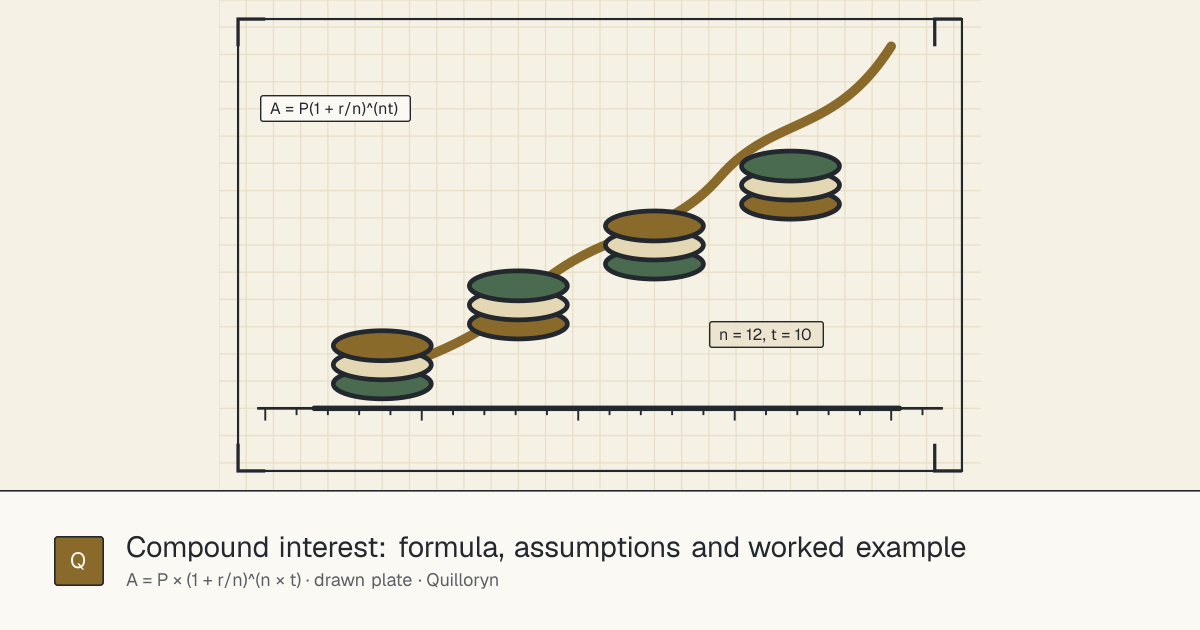
Explore P(1 + r/n)^(nt) with a worked monthly-compounding example. Learn rate conventions and assumptions, then open the formula with values already filled in.
An illustration of fixed-rate growth
Read the guide
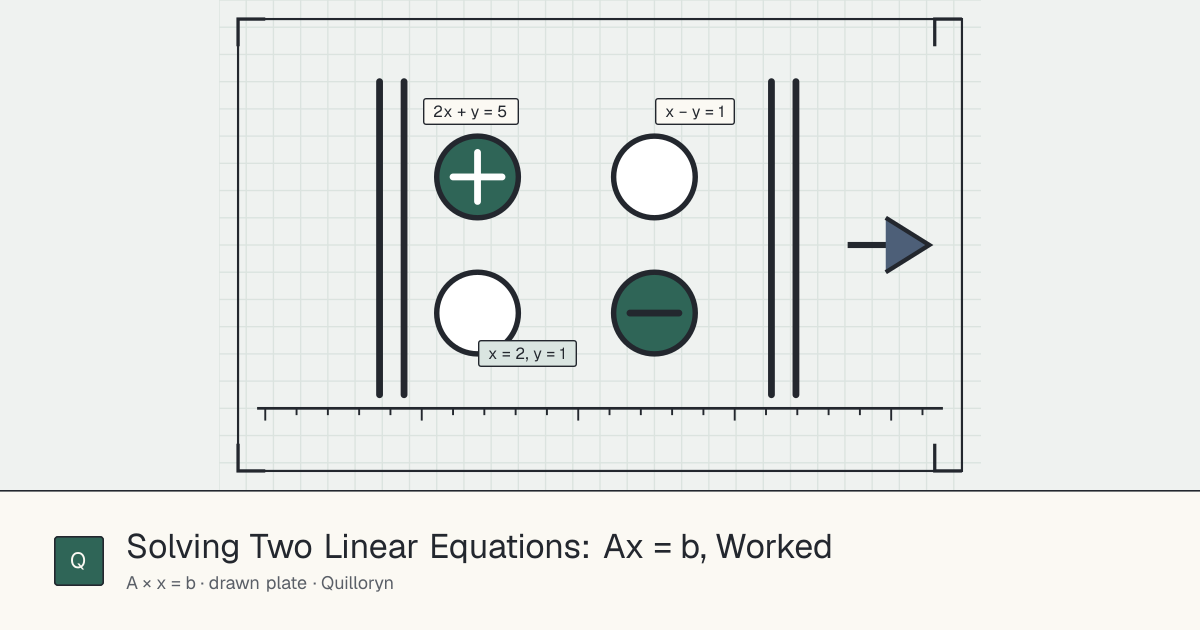
Write two equations as Ax = b, solve a small matrix system and verify both residuals. Open the example in the scientific calculator.
2x + y = 5; x − y = 1 → x = 2, y = 1
Read the guide
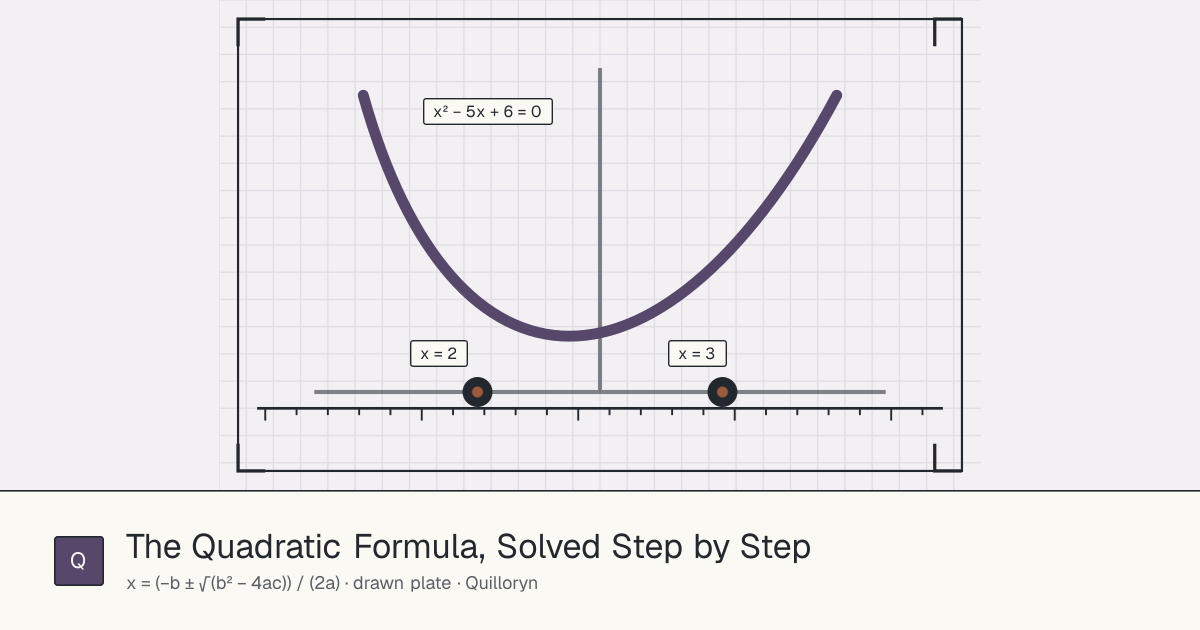
Use the quadratic formula with a, b and c inputs. Work through x² − 5x + 6 = 0, understand the discriminant and load the positive root example.
x² − 5x + 6 = 0 has roots 2 and 3
Read the guide
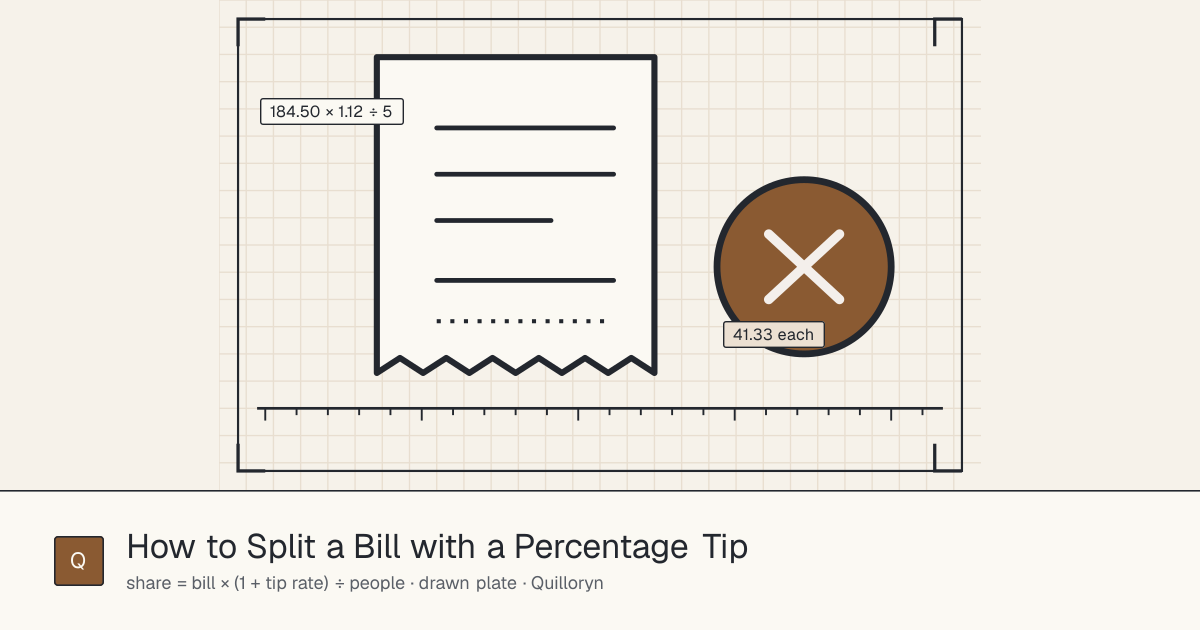
Calculate an even per-person share after adding a percentage tip. Check what the formula includes and use a prefilled, editable example.
184.50 with a 12% tip for 5 people = 41.328 each
Read the guideHow to read published figures and what they do and do not tell you.

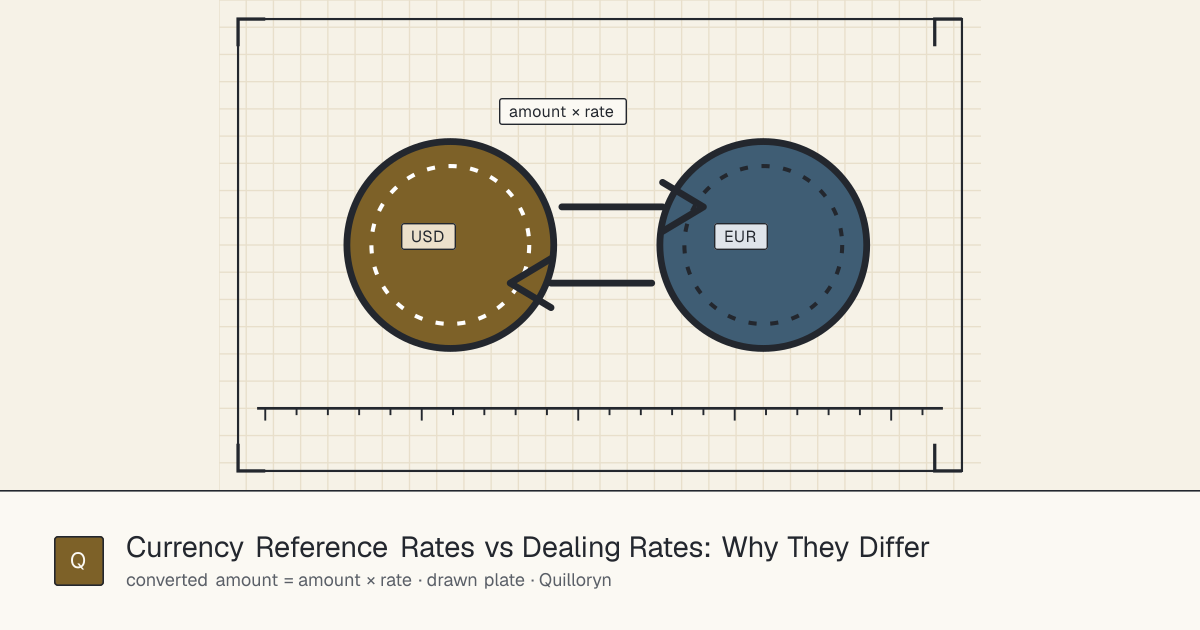
Learn why a currency conversion can differ from a bank or card quote. Understand reference dates, rates, spreads, fees and a simple worked illustration.
A reference value is not a dealing quote
Read the guide
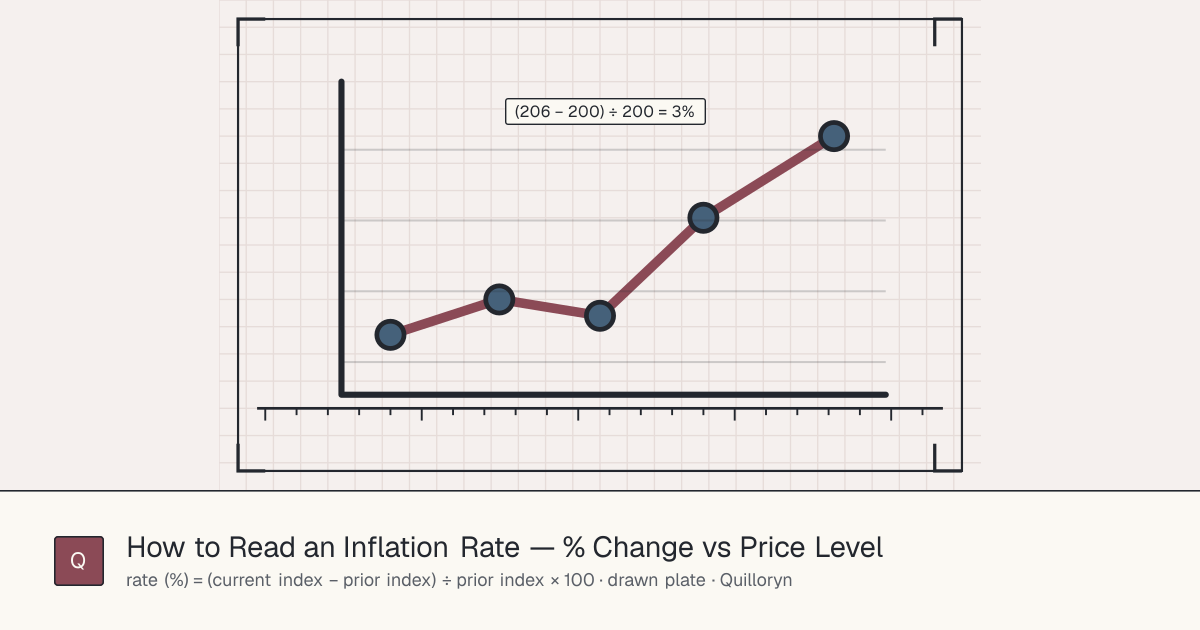
Understand what an annual consumer-price inflation figure represents, how percentage change is calculated and why a reported rate is not a personal cost-of-living estimate.
An inflation rate describes a change in an index over a stated period
Read the guideShort on time? Each page below opens with the inputs already filled in — change any value, confirm, and read the result.
Prefer to start with a tool? Browse the calculators and converters.